Christine Choy Retrospective (2026)
9 FILMS BY THE OSCAR-NOMINATED & PEABODY AWARD-WINNING FILMMAKERIncludes 2 newly restored films: Mississippi Triangle (1984) & From Spikes to Spindles (1976)
-
In collaboration with Third World Newsreel, we are honored to be co-presenting the retrospective of Oscar-nominated and Peabody Award-winning documentarian Christine Choy. Christine left behind roughly seventy films and five decades of radical documentary work that helped shape Asian American film history. She co-founded Third World Newsreel in 1972 and is known for her groundbreaking documentaries like Who Killed Vincent Chin? and Mississippi Triangle. The film was newly restored this year, and we are proud to present it on the big screen starting this fall.
The retrospective includes:
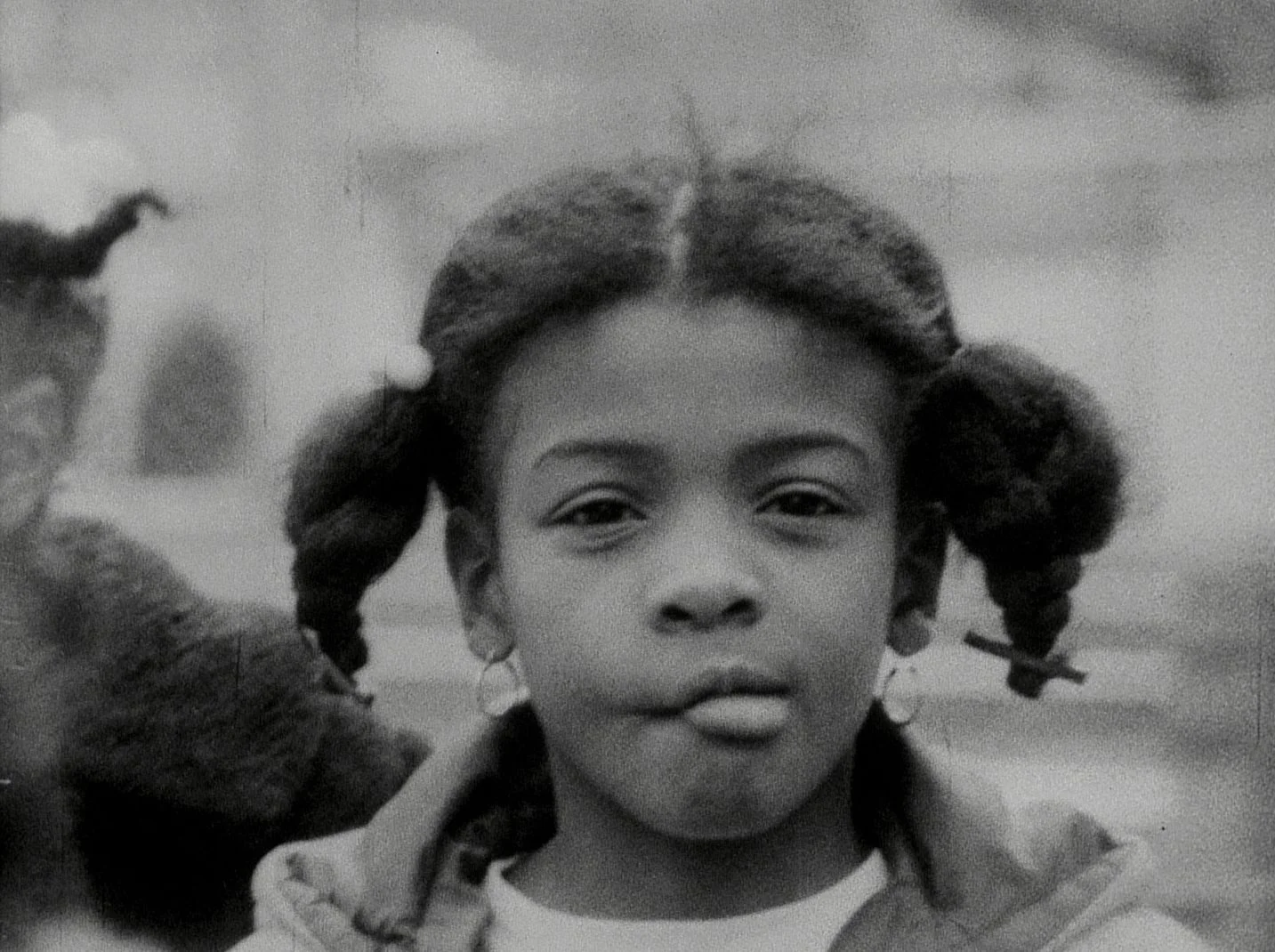
Teach Our Children (1972)
From Spikes to Spindles (1976) *New Restoration*
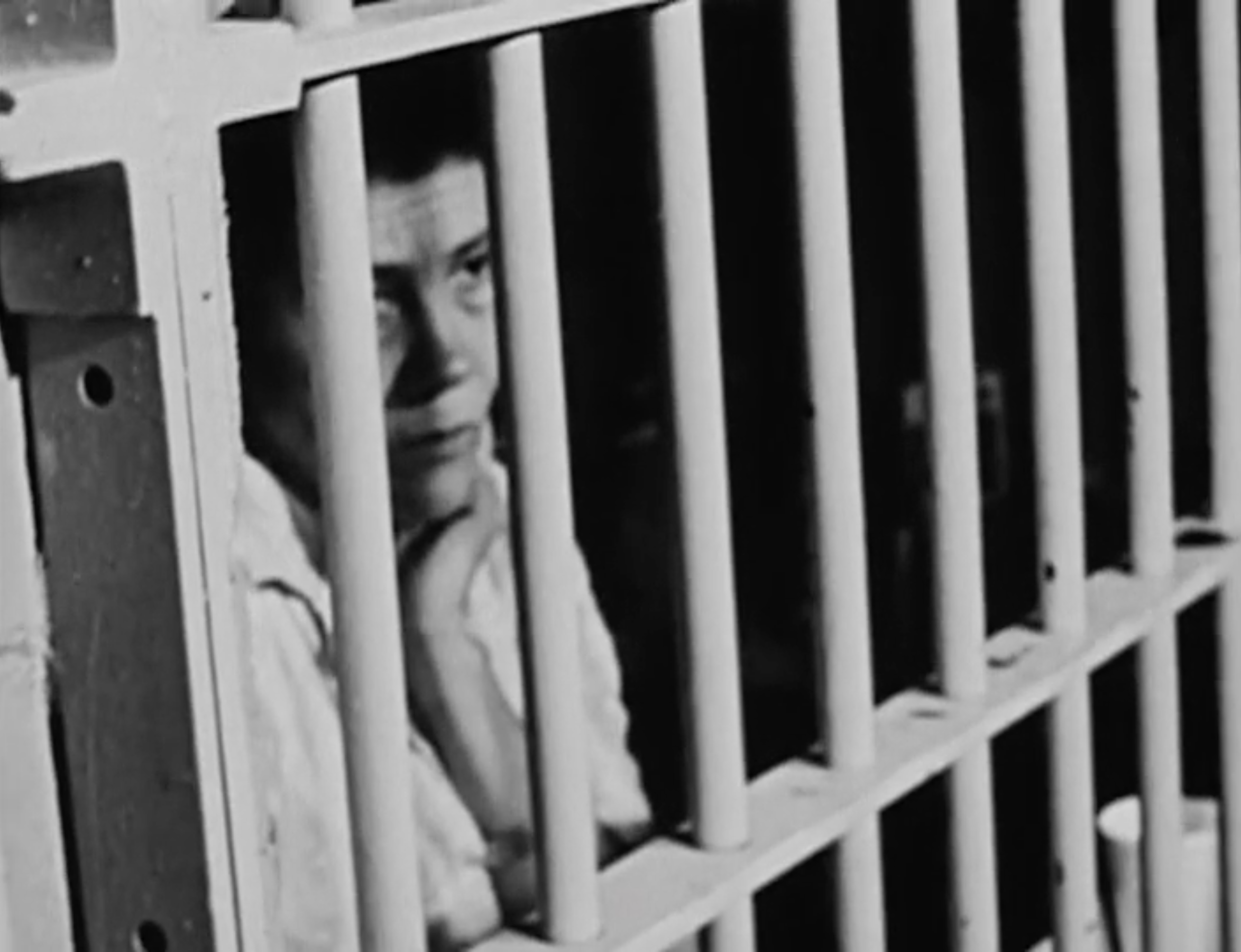
Inside Women Inside (1978)
To Love, Honor & Obey (1980)
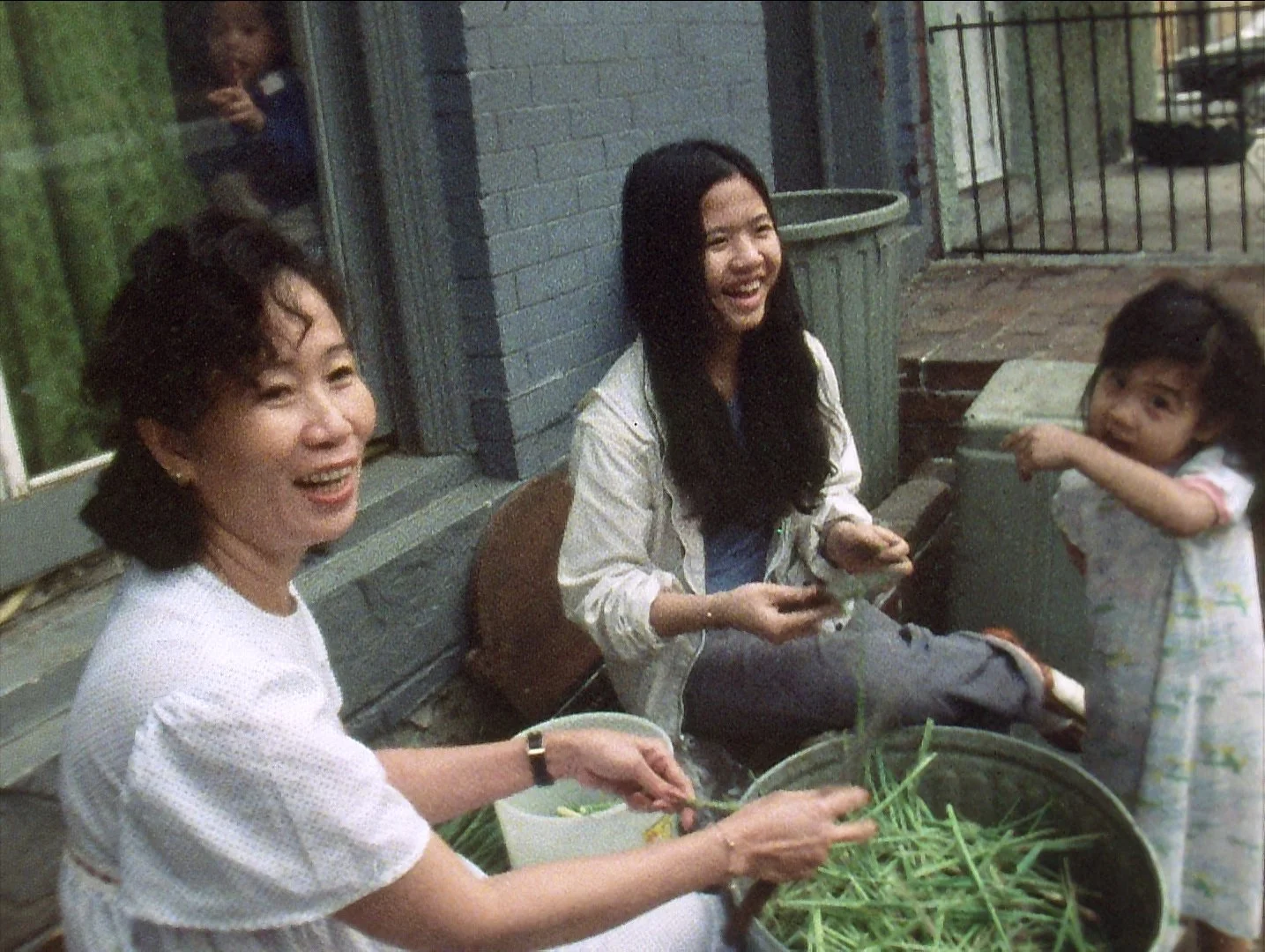
Bittersweet Survival: Southeast Asian Refugees in America (1982)
Fei Tien: Goddess in Flight (1983)
Mississippi Triangle (1984) *New Restoration*
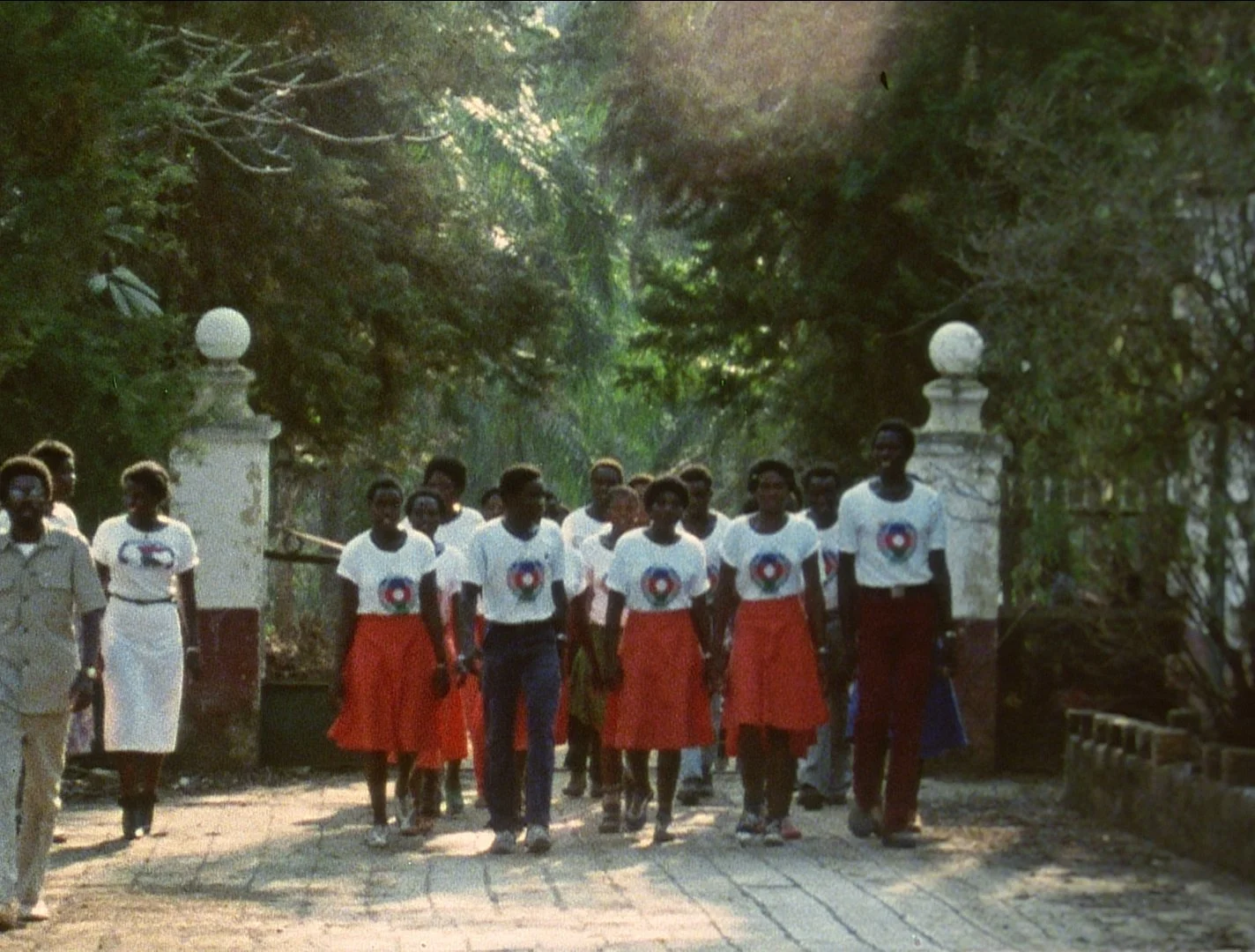
Namibia: Independence Now! (1985)
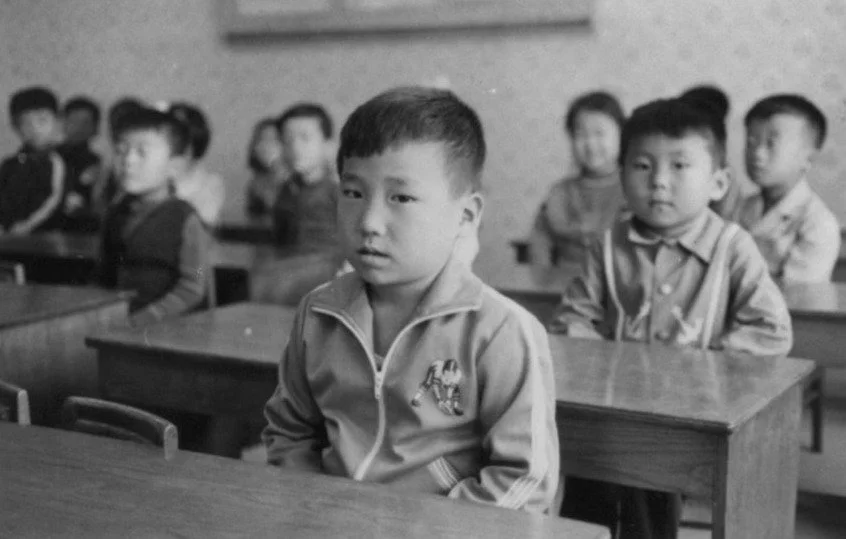
Homes Apart: Korea (1991)
Visit TWN’s website for more info: https://www.twn.org/exhibition/christine-choy-retrospective
-
-
Christine Choy AKA Chai Ming Huei
Christine Choy aka Chai Ming Huei (1952-2025) was born in Shanghai in 1949 to a Chinese mother and a Korean father. She spent most of her childhood in Korea, but at 14, she moved to attend her Korean Catholic school’s sister school in New York City. After graduating from high school, she pursued architecture and urban planning at Washington University in St. Louis and Columbia University. An anti-war activist in the late 1960s and early 1970s, Choy found her interest in filmmaking sparked by a documentary about Vietnam.
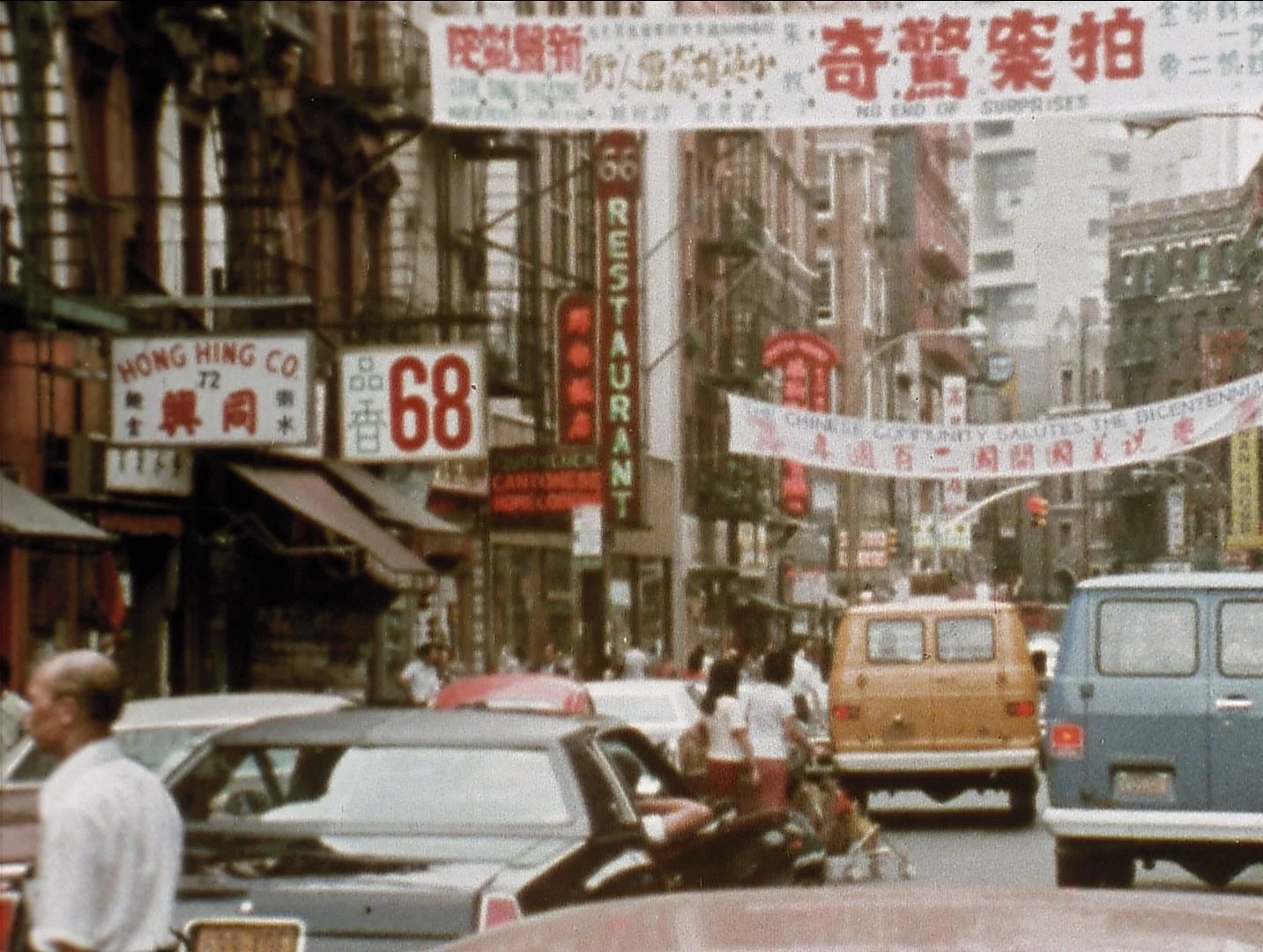
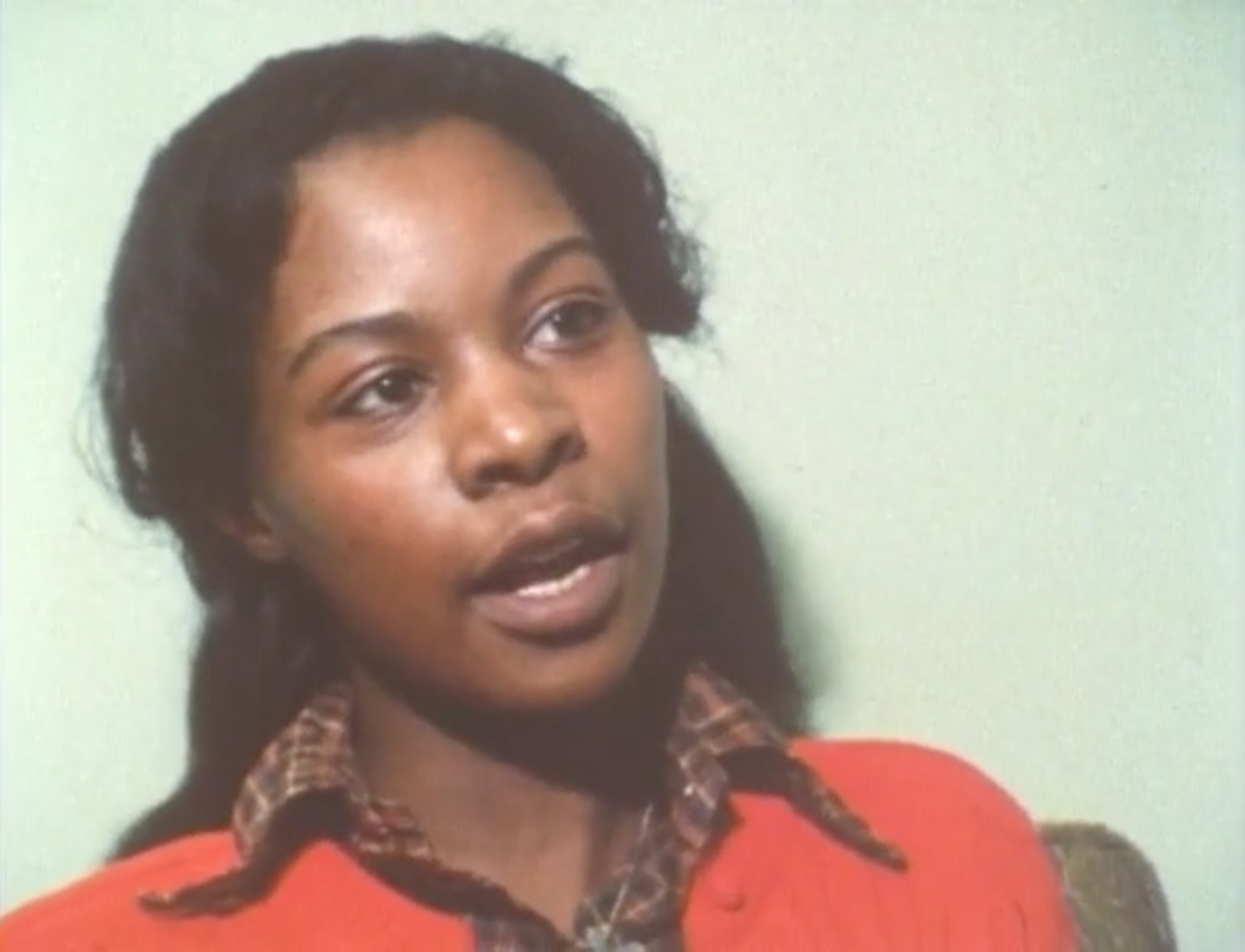
In the early 1970s, after their previous collective, Newsreel, disbanded, Choy and a few fellow filmmakers created Third World Newsreel, a production company that focused on creating documentaries that highlighted stories that were not being told in mainstream media. Among the first projects Choy took on as co-director were Teach Our Children (1972), about the 1971 Attica Prison Rebellion; From Spikes to Spindles (1976), about injustices faced by garment workers in New York’s Chinatown; and Inside Women Inside (1978), about inmates in women’s prisons in New York and North Carolina.
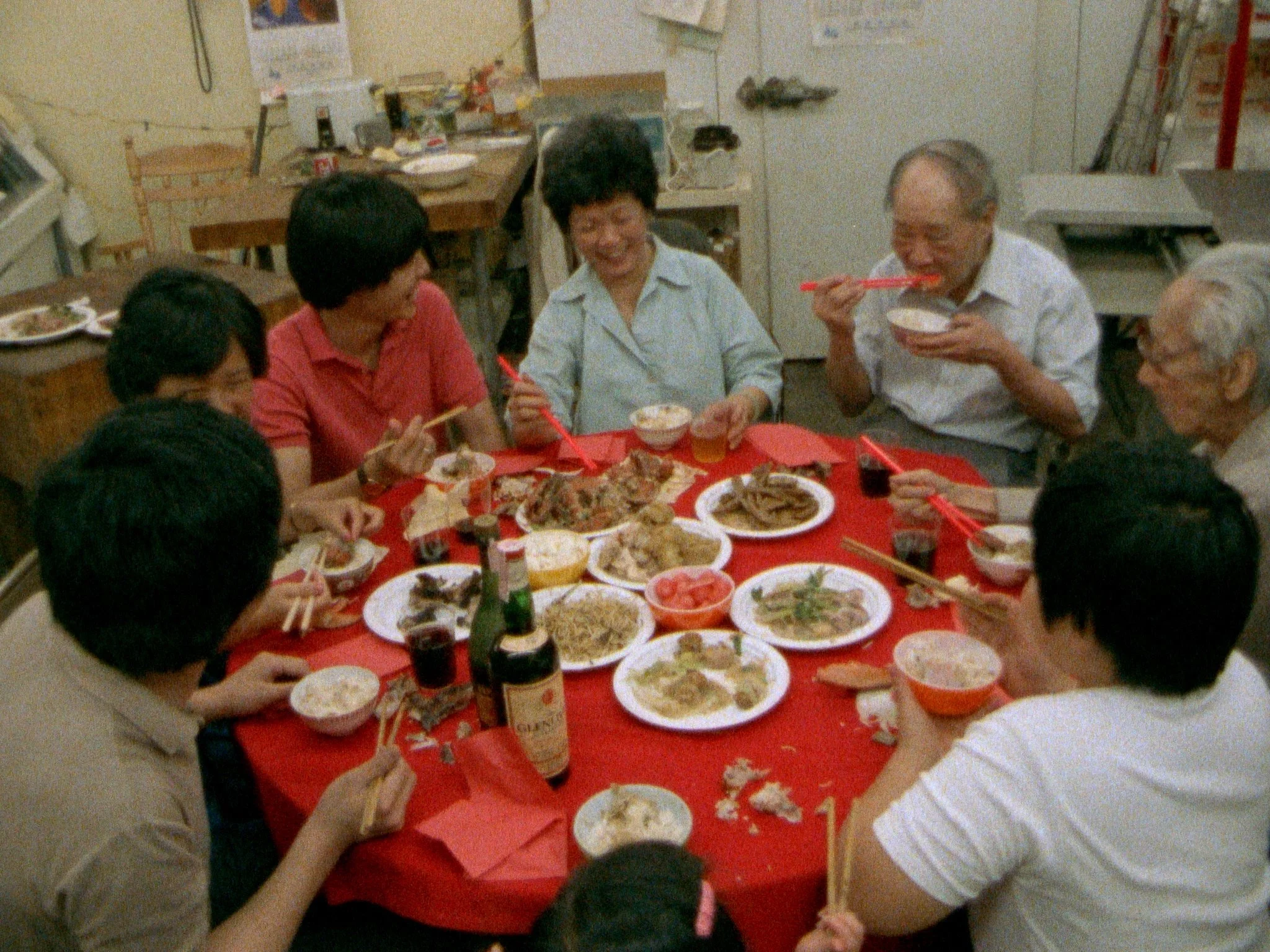
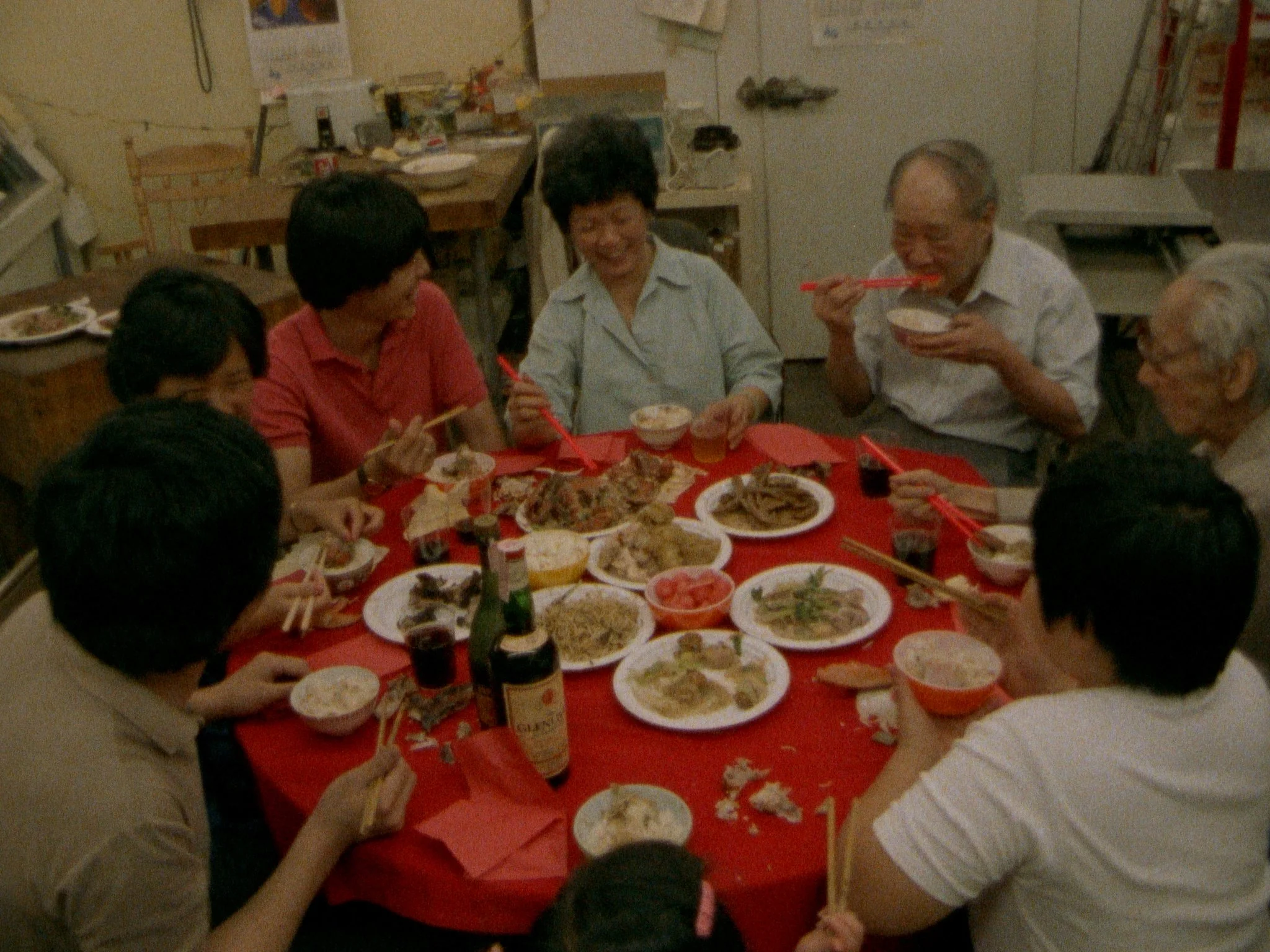
After receiving her Guggenheim Fellowship in Film-Video in 1982, Choy spent her Fellowship year working on a documentary about the contentious relationships between the white, Black, and Chinese communities in the Mississippi Delta. The result was Mississippi Triangle (1984), a critically celebrated film that provided a far more nuanced view of Southern race relations that had been typically portrayed.
On the heels of Mississippi Triangle, Choy went on to pursue the film that would become her most well-known. Who Killed Vincent Chin? is a documentary about the fatal beating in Detroit of a 27-year-old Chinese American draftsman, Vincent Chin, at the hands of two white Motor City autoworkers, who had accused him of the recent spate of car-industry layoffs, believing him to be Japanese. The film was nominated for an Oscar in Best Documentary Feature in 1989 and won a Peabody Award in 1990. In 2021, it was inducted into the Library of Congress’ National Film Registry.
Choy went on to direct and co-direct many subsequent films, including Homes Apart: Korea (1991), about families divided by the border between North and South Korea; “Sa-I-Gu" (1993), about the 1992 Los Angeles riots from the perspective of Korean American women in the city; and In the Name of the Emperor (1995), about the massacre known as the Rape of Nanking.
In 1988, Choy became a professor at New York University’s Tisch School of the Arts, where she was a beloved faculty member. The Exiles, a documentary about Choy and her attempt to complete a film about the Tiananmen Square massacre, made by two of her students at N.Y.U., won the Sundance Grand Jury Prize in 2022. Choy died in December 2025.